
There is something very special about a rose in full flower. Growing them in pots allows you to enjoy their colour and fragrance up close, whether they are placed beside a doorway, around a seating area or in a sunny corner of the patio.
Container grown roses need a little more attention than those planted in the ground, particularly during the warmer months. However, regular watering, feeding and deadheading can help repeat flowering varieties continue producing beautiful blooms throughout summer.

START WITH THE RIGHT VARIETY
It is worth remembering that not every rose will flower continuously. Some varieties produce one magnificent display, while repeat-flowering types will develop new buds throughout summer when given the right care.
Still deciding what to grow? My guide to the best roses for pots includes some lovely varieties for fragrance, pollinators, shady spots and climbing displays.
WATER REGULARLY
Roses growing in containers can dry out surprisingly quickly, especially during warm or windy weather. Check the compost regularly by placing your finger a few centimetres below the surface. If it feels dry, it is time to water.
Give the plant a thorough drink at its base rather than lightly sprinkling the surface. Watering slowly allows the moisture to soak through the compost and reach the roots properly.
Terracotta is naturally porous, which means moisture can evaporate through the clay. During particularly warm weather, plants growing in terracotta may therefore need checking more regularly. Larger pots tend to hold more compost and moisture than smaller containers, making them a particularly good home for roses.

FEED THROUGHOUT SUMMER
Roses are hungry plants and those growing in pots only have a limited amount of compost from which to take their nutrients.
A suitable rose feed can support healthy growth and encourage further flowers throughout the season. Always follow the instructions on the product you are using, as the recommended amount and frequency will vary.
Regular feeding is particularly important after the first flush of flowers, when the plant begins putting its energy into producing fresh growth and new buds.
REMOVE FADED FLOWERS
Deadheading is one of the simplest ways to help repeat flowering roses continue blooming.
Removing flowers as they fade encourages the plant to produce new buds rather than putting its energy into developing seeds. Use a clean, sharp pair of secateurs or snips to make a neat cut without damaging the stem.
Check your plants every few days during the main flowering season. As well as encouraging further flowers, regular deadheading keeps the whole display looking fresh and tidy.
Some varieties are grown for their decorative autumn hips. If you would like these to develop, leave the later flowers in place rather than removing them.

GIVE YOUR ROSE ENOUGH ROOM
Roses need a generous, deep container that gives their roots plenty of room to establish. A larger pot also holds more compost and moisture, helping the plant cope better during warm summer weather.
Terracotta is a beautiful choice for roses. Its natural weight provides stability as the plant matures, while the warm tones of the clay complement almost every flower colour. Over time, each pot develops its own individual character and becomes even more beautiful as it weathers.
Good drainage is just as important as the size of the container. Make sure the drainage hole remains clear and consider raising the pot slightly on terracotta pot feet, allowing water to drain away more freely.
For more detailed advice on choosing the right size, preparing the container and planting your rose, read my guide to growing beautiful roses in terracotta pots.
SUPPORT TALLER ROSES
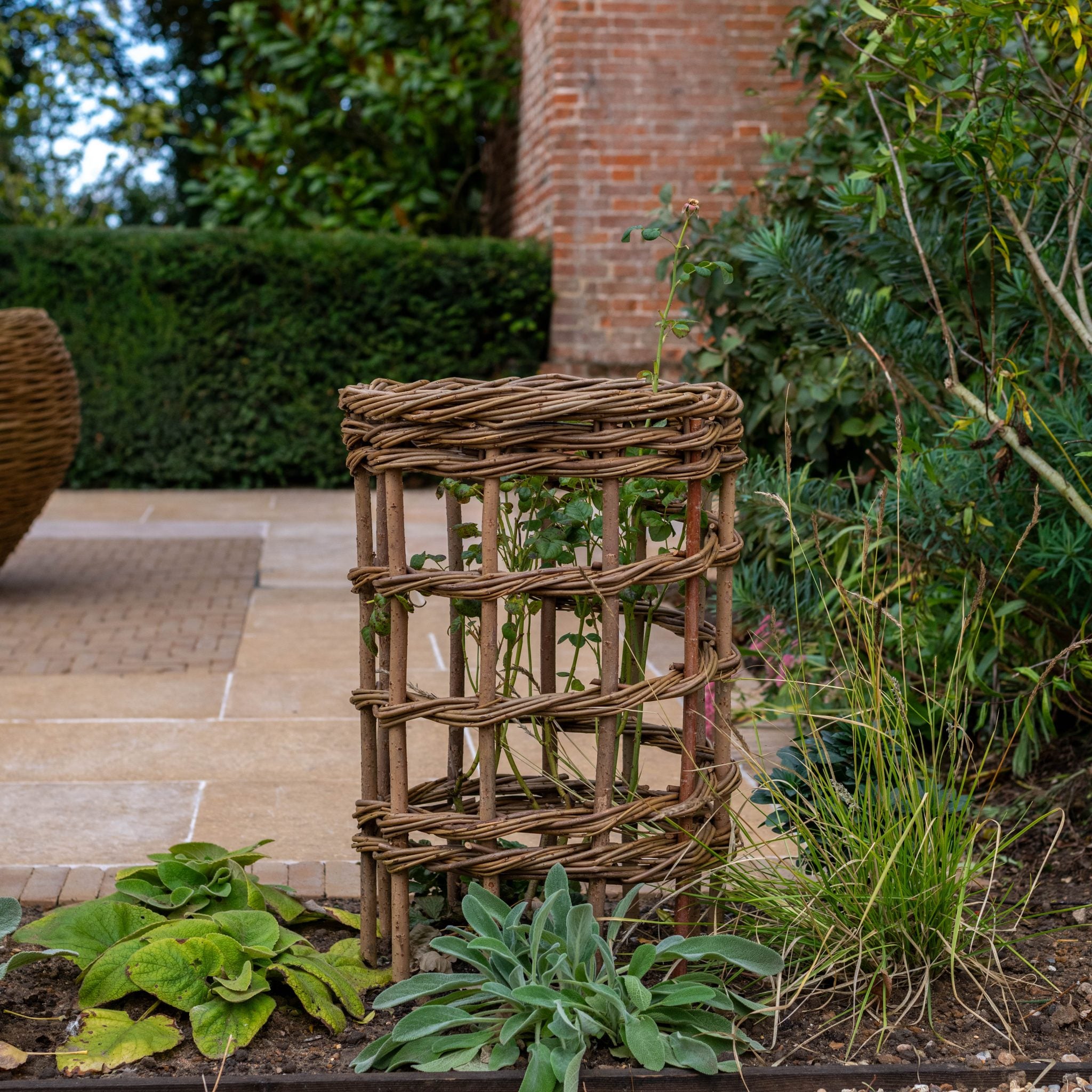
Taller varieties and compact climbing roses may need a little support as they grow.
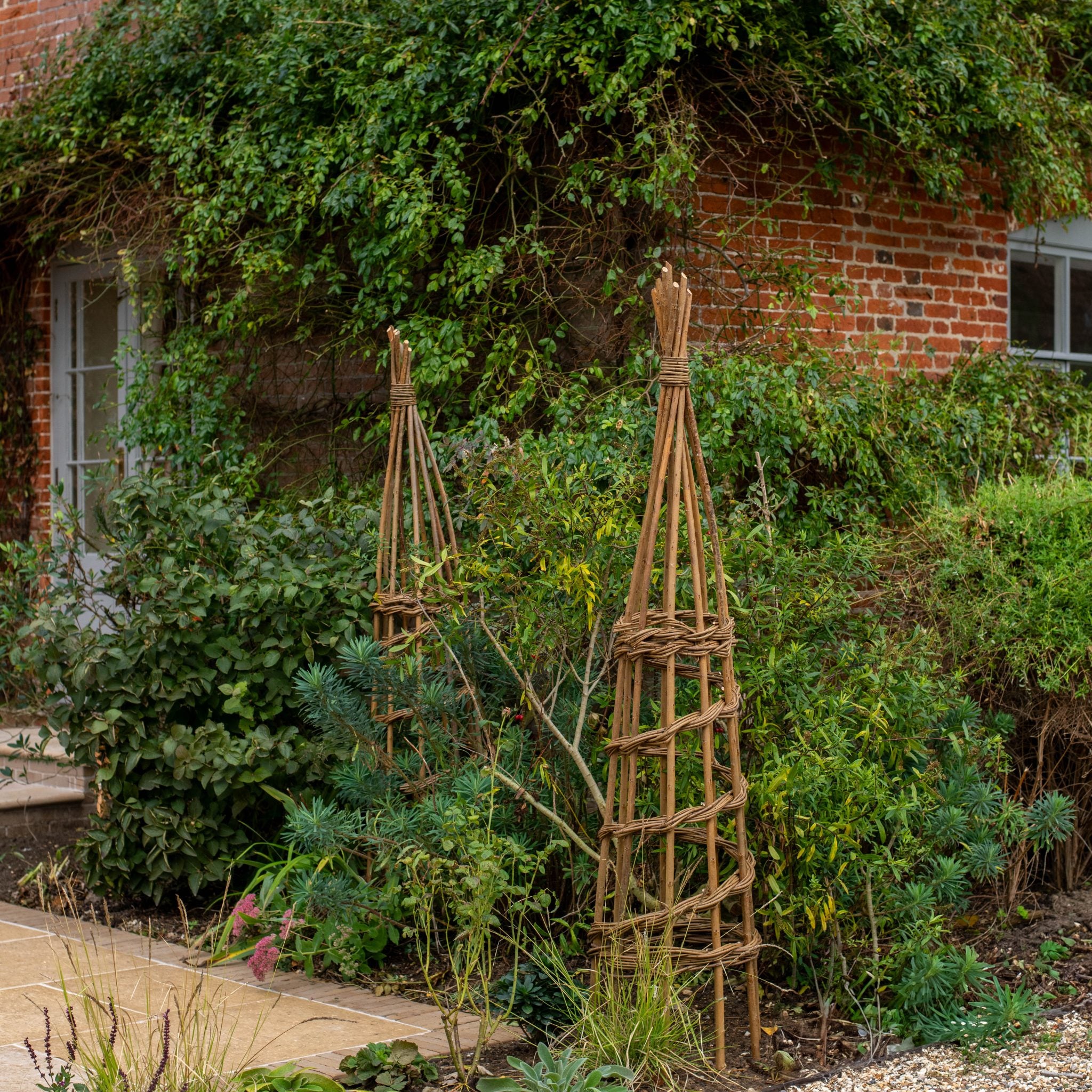
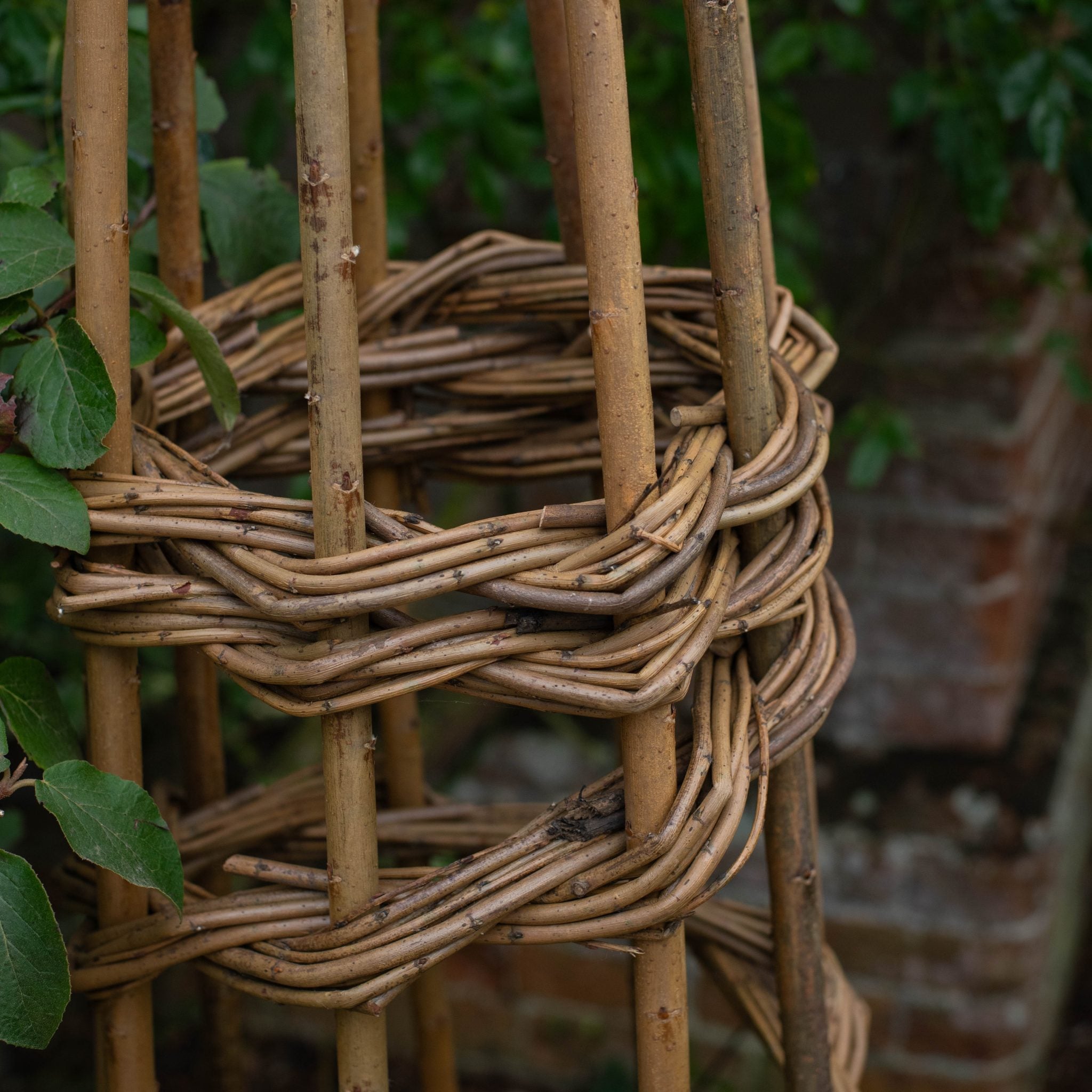
Adding an obelisk or plant support while the rose is still young makes it easier to guide and tie in the stems gradually. It can also bring height and structure to the display, even before the plant is fully in flower.
For roses growing in containers, make sure the support feels in proportion to the pot and is firmly positioned before the plant becomes too established.

ENJOY YOUR ROSES ALL SUMMER
Keeping container roses flowering does not need to be complicated. Regular watering, suitable feeding and removing faded blooms can make all the difference, while a generous pot gives the roots the space and moisture they need.
With the right variety and a little ongoing care, your plants can continue bringing colour, fragrance and interest to the garden throughout summer.
Have you tried growing roses in pots? Share your experiences and tips with the team at sales@tomsyard.co.uk and we’ll feature them on our social media. We’d love to see your roses flowering all summer long.