
Long, sunny days can bring out the very best in a garden but prolonged hot weather can be difficult for plants growing in pots.
Unlike plants growing in borders, container plants only have a limited amount of compost surrounding their roots. This can dry out surprisingly quickly, particularly in smaller pots or more exposed areas of the garden.
Fortunately, a few simple changes can help your planted pots cope with the heat and continue looking beautiful until cooler weather returns.

WATER EARLY AND THOROUGHLY
During a heatwave, try to water your pots early in the morning before temperatures begin to rise. This gives the plants time to take up moisture before the hottest part of the day.
Give each plant a thorough drink rather than briefly wetting the surface. Water slowly around the base, allowing the moisture to soak into the compost and reach the roots properly.
If the compost has become particularly dry, water may initially run down the sides of the pot rather than soaking in. Pause for a few moments before watering slowly for a second time.
Smaller pots, newly planted containers and plants with large leaves may need checking more frequently than established shrubs growing in generous planters. During particularly hot spells, some containers may need attention every day.

CHECK THE COMPOST REGULARLY
Drooping leaves can be a sign that a plant needs water, but they can also appear temporarily during the hottest part of the day.
Before reaching for the watering can, place your finger a few centimetres beneath the surface of the compost. If it still feels damp, give the plant a little temporary shade and check it again later.
The surface can sometimes look dry while there is still plenty of moisture around the roots, so checking beneath it will give you a much better idea of what the plant actually needs.
It is also worth checking pots individually rather than watering everything in the same way. A small container standing in full sun will dry out much more quickly than a large pot placed in a sheltered corner.
KEEP A CLOSER EYE ON TERRACOTTA
Terracotta is naturally porous, allowing air and moisture to move through the clay. This helps create a healthy environment around the roots, but it also means the compost can dry out more quickly during very warm weather.
Check plants growing in terracotta regularly, paying particular attention to smaller pots and those positioned in full sun.
Larger containers generally hold more compost and moisture than smaller ones, so they tend to cope better during prolonged periods of hot weather. Their extra weight also makes them more stable in exposed positions.
There is no need to move every terracotta pot into the shade as soon as temperatures rise. A little extra attention to watering is often enough to keep established plants looking healthy.

PROVIDE A LITTLE TEMPORARY SHADE
Plants that normally enjoy a sunny position can still struggle during an unusually intense heatwave.
Where possible, move smaller pots out of the strongest afternoon sun and into a slightly more sheltered position. Beside a wall, beneath a tree or alongside taller planting may provide enough protection without placing them in complete shade.
Larger pots may be more difficult to reposition, but a garden parasol or another temporary source of shade can help protect more delicate plants during the hottest part of the day.
Once temperatures begin to fall, you can gradually return the containers to their usual positions.

GROUP SMALLER POTS TOGETHER
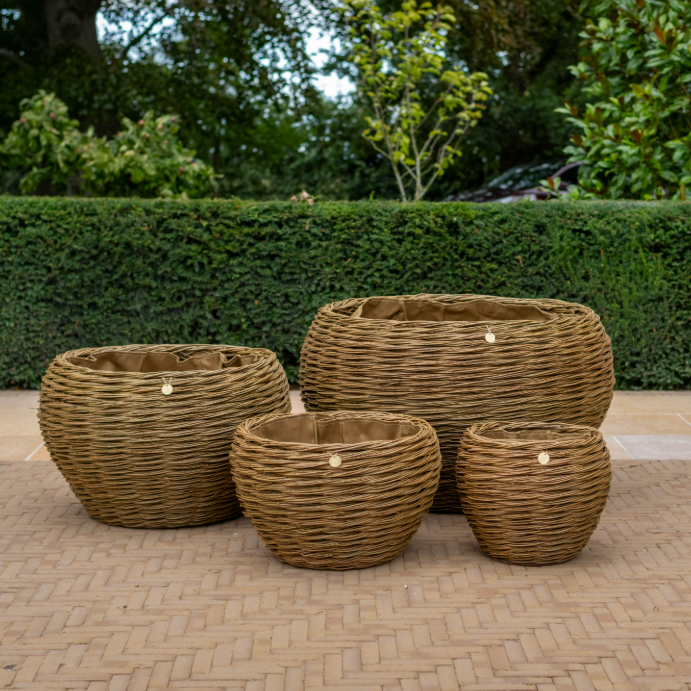
Grouping smaller pots can help create a slightly cooler and more sheltered environment around the plants.
Place taller containers towards the back, where their foliage may provide a little shade for those below. As well as helping during warm weather, this can create a fuller and more interesting display.
Avoid placing the pots too tightly together. Leaving some room between them allows air to circulate and makes it easier to check and water each plant properly.
This is also a useful opportunity to rearrange containers that have become lost around the garden. Bringing them together can make a much stronger display while making daily care more manageable.
MAKE USE OF STORED RAINWATER
If you collected rainwater earlier in the season, a heatwave is the perfect time to put it to good use. Having a supply close to the garden makes it much easier to keep on top of watering when your containers need more regular attention.
A traditional galvanised steel water butt provides a practical way to collect rainwater while sitting more comfortably within the garden than many modern alternatives.
Direct the water slowly around the base of each plant rather than pouring it over the leaves and flowers. This helps the moisture reach the roots where it is needed most.

PLAN AHEAD FOR FUTURE HOT WEATHER
If your garden regularly becomes hot and dry during summer, it may be worth choosing plants that are naturally happier in those conditions.
Lavender, rosemary, ornamental grasses and many Mediterranean plants can all create beautiful container displays while coping more comfortably with sunny, exposed positions.
The size of the pot can make a difference too. A generous container holds more compost and moisture, giving the roots a little more protection when temperatures remain high.
For more planting inspiration, read my guide to drought-tolerant plants your terracotta pots will love.
ENJOY YOUR POTS THROUGHOUT SUMMER
A spell of hot weather does not have to mean the end of a carefully planted container display.
Watering thoroughly, checking the compost regularly and offering a little temporary shade can make a real difference. Grouping smaller pots and choosing plants suited to your garden’s conditions will also help your displays remain healthy and beautiful throughout summer.