
A small courtyard can be one of the most rewarding garden spaces to design. With clear boundaries and a smaller footprint, even a few thoughtful changes can completely alter how the space looks and feels.
The temptation with a compact garden is often to squeeze in as much as possible, but the opposite usually works better. A simple layout, a few well-chosen pots and plants, and one or two strong focal points can make even the smallest courtyard feel established and inviting.
Here are a few ways to make the most of the space you have.
Start with One Clear Focal Point
Every garden benefits from somewhere for the eye to land, and this is especially important in a small courtyard.
Rather than filling the space with lots of decorative pieces, choose one feature with enough presence to anchor the garden. This could be a large terracotta pot planted with a small tree, a characterful Cretan pot, a water feature or a well-positioned bench.
Think about where you’ll see it from too. Courtyards are often viewed as much from inside the house as they are from the garden, so positioning a focal point opposite a window or doorway can make a real difference.

Choose Fewer, Larger Pots
It can feel logical to choose small pots for a small garden, but lots of little containers can quickly make the space feel cluttered.
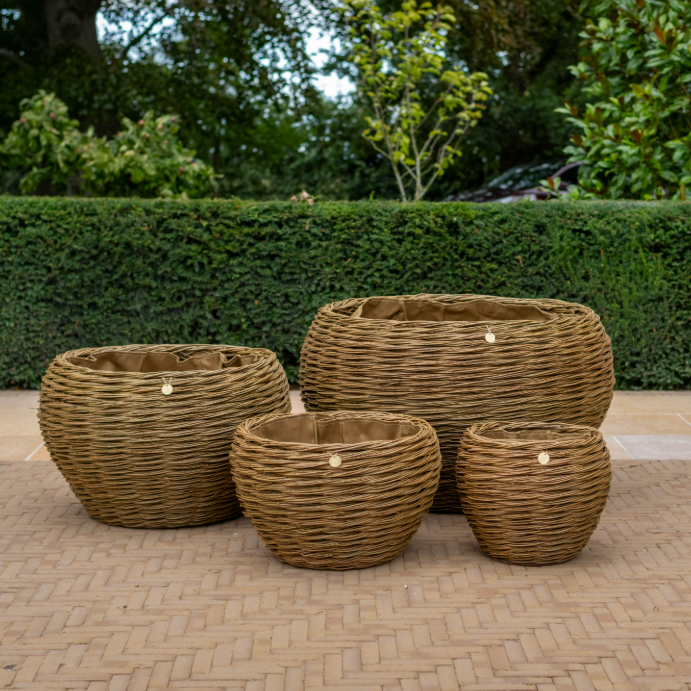
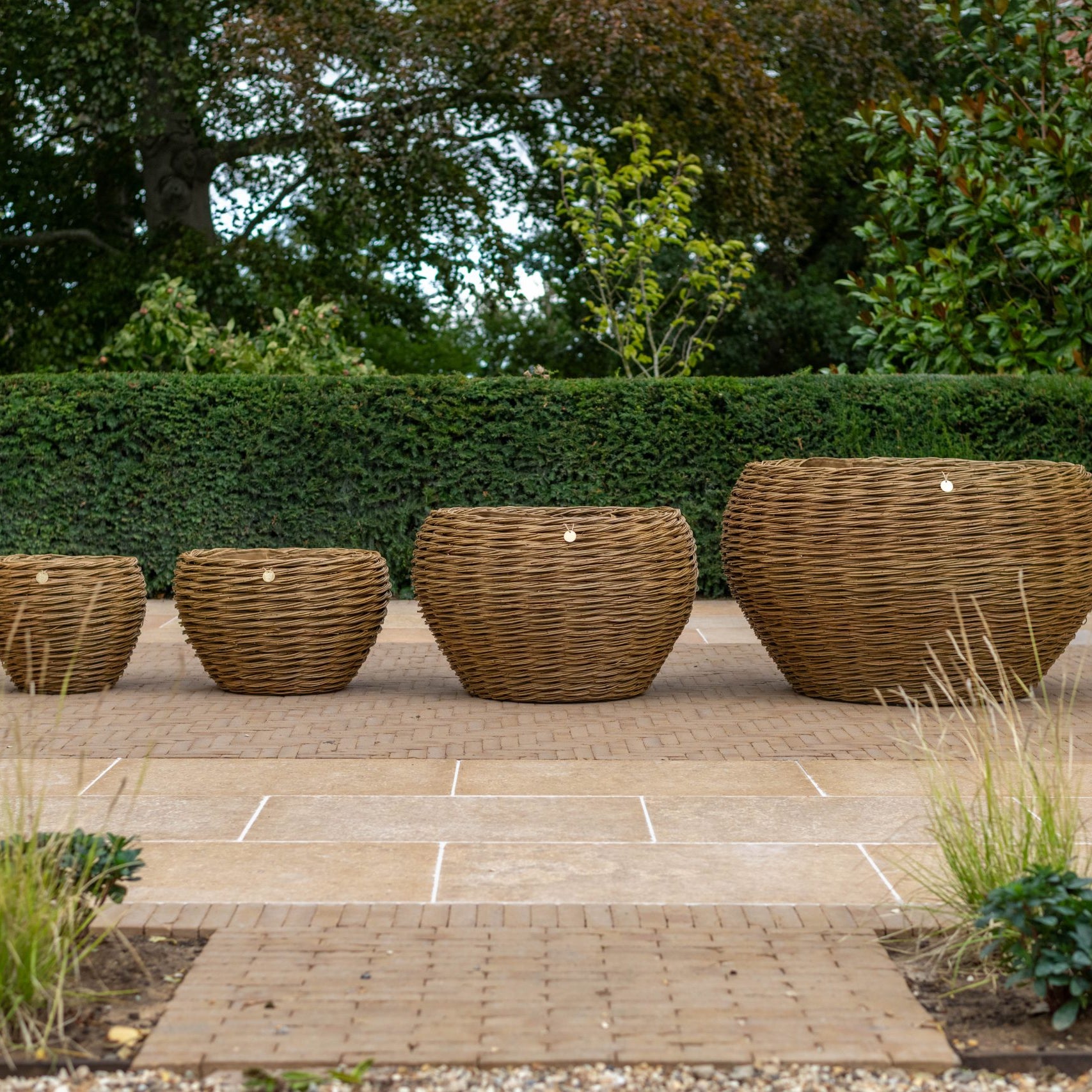
A few generously sized pots will often create a much calmer, more considered look. Use one larger planter to introduce height and structure, then add one or two smaller pots around it if the space allows.
Terracotta works particularly well in courtyards because its warm, natural tones help soften hard surfaces such as paving, brick and stone. Over time, the pots will weather too, helping them settle naturally into the garden.

Make Use of Walls and Boundaries
When floor space is limited, it’s worth looking upwards.
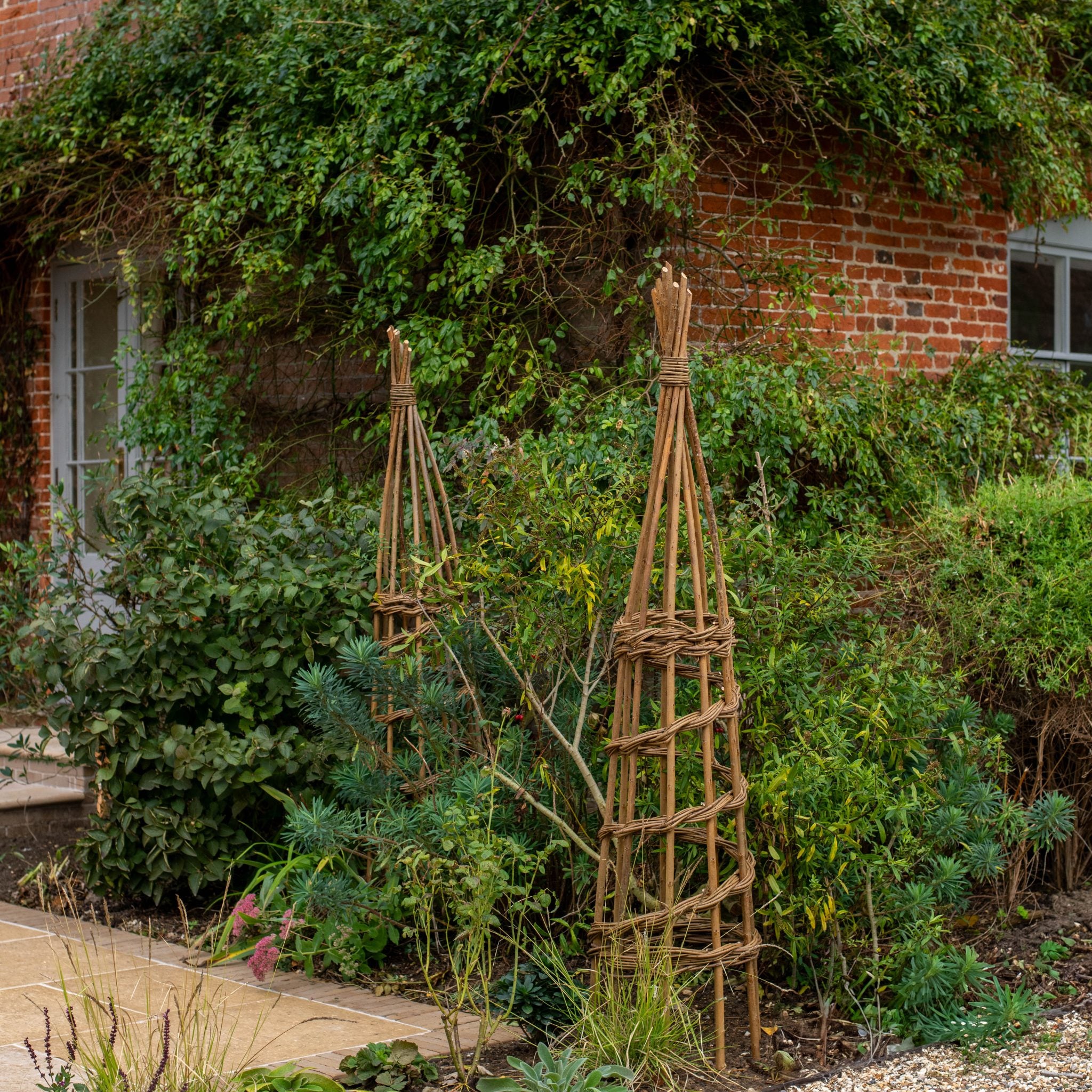
Climbing plants are a simple way to soften walls and fences without taking up valuable space. Jasmine, roses and clematis can all introduce greenery and colour while helping a courtyard feel more established.
Tall, narrow pots are another good option for bringing height into a compact area. Trough planters can also work particularly well against walls or beneath windows, where their rectangular shape keeps planting neatly contained.

Keep the Planting Simple
Small gardens tend to feel more cohesive when the planting palette is kept relatively simple.
Instead of choosing a completely different plant for every pot, try repeating a few varieties throughout the courtyard. Evergreen shrubs can provide structure all year round, while grasses, herbs and seasonal flowers add softer texture and colour.
Repeating similar colours can also help the space feel calmer. Greens, whites, soft pinks and lavender tones all work beautifully alongside natural terracotta.
Make the Most of Corners
Corners are often some of the most useful areas in a courtyard.
A large pot or small tree can give an empty corner purpose without taking over the whole garden. Alternatively, a couple of pots at different heights can create a simple display while still leaving plenty of floor space clear.
If privacy is needed, taller planting can also be positioned strategically in corners or along boundaries to interrupt sightlines without enclosing the entire space.

Leave Some Breathing Space
One of the easiest mistakes to make in a small courtyard is trying to fill every available area.
Leaving clear space around pots, planting and furniture gives each element room to stand out and often makes the garden feel larger.
Start with the main pieces and add to the space gradually. Plants will grow, climbers will begin to soften walls and terracotta will naturally weather over time. Allowing the courtyard to evolve can often create a much more relaxed and established feel than trying to finish everything at once.
A small courtyard doesn’t need a huge amount of planting or decoration to feel special. A few carefully chosen pieces, positioned in the right places, can completely transform even the most compact outdoor space.